Most people in Conroe who want to improve their garage floor assume they need epoxy. It's the popular choice, and for good reason. But epoxy isn't always the right answer. Sometimes a concrete sealer does the job better, costs less, and lasts longer for what you actually need. The trick is knowing when you're dealing with a situation where sealer makes sense and when you really do need epoxy. Get this decision wrong and you'll either overspend on a coating that's too heavy for the job, or underspend on something that won't hold up to what you throw at it.
Sealer Works When You Want Protection, Not a New Look
Concrete sealer sits on top of your slab and protects it from moisture, salt, dirt, and mild chemical spills. It's thin, it's clear, and it doesn't change the appearance of your concrete much. If your garage floor is in decent shape and you mainly want to keep it from getting worse, sealer is often the right call. You're not trying to hide stains or create a showroom floor. You just want to keep water out of the concrete so it doesn't crack or spall. Sealer does that for a fraction of the cost of epoxy.
Sealer is also your move if you live somewhere with seasonal temperature swings. Conroe's humidity and occasional freeze cycles can be hard on coatings. A good sealer lets your concrete breathe a little better than epoxy does, which means less chance of peeling or bubbling when moisture gets trapped underneath. If you've had coatings fail before, sealer might actually be more reliable for your situation.
Epoxy Is the Better Choice for Heavy Use
Epoxy creates a much harder, thicker bond with concrete. It sticks down and cures into a plastic-like surface that can handle vehicle traffic, dropped tools, and chemical spills without flaking off. If you're parking a truck in there, moving equipment around, or doing any kind of work that involves impact or abrasion, epoxy outperforms sealer by a lot. Sealer will scratch and wear through in high-traffic areas. Epoxy will last years longer under the same conditions.
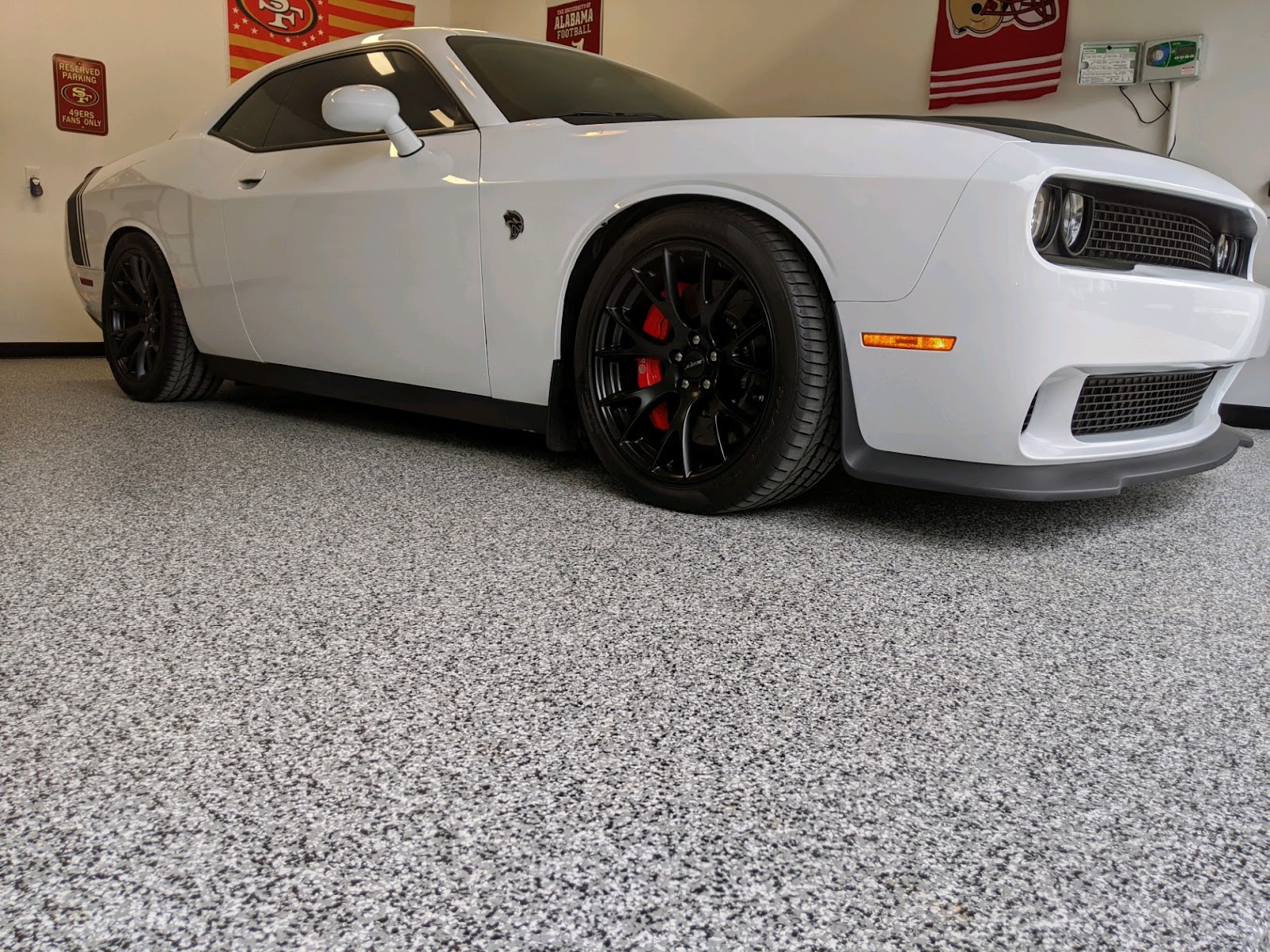
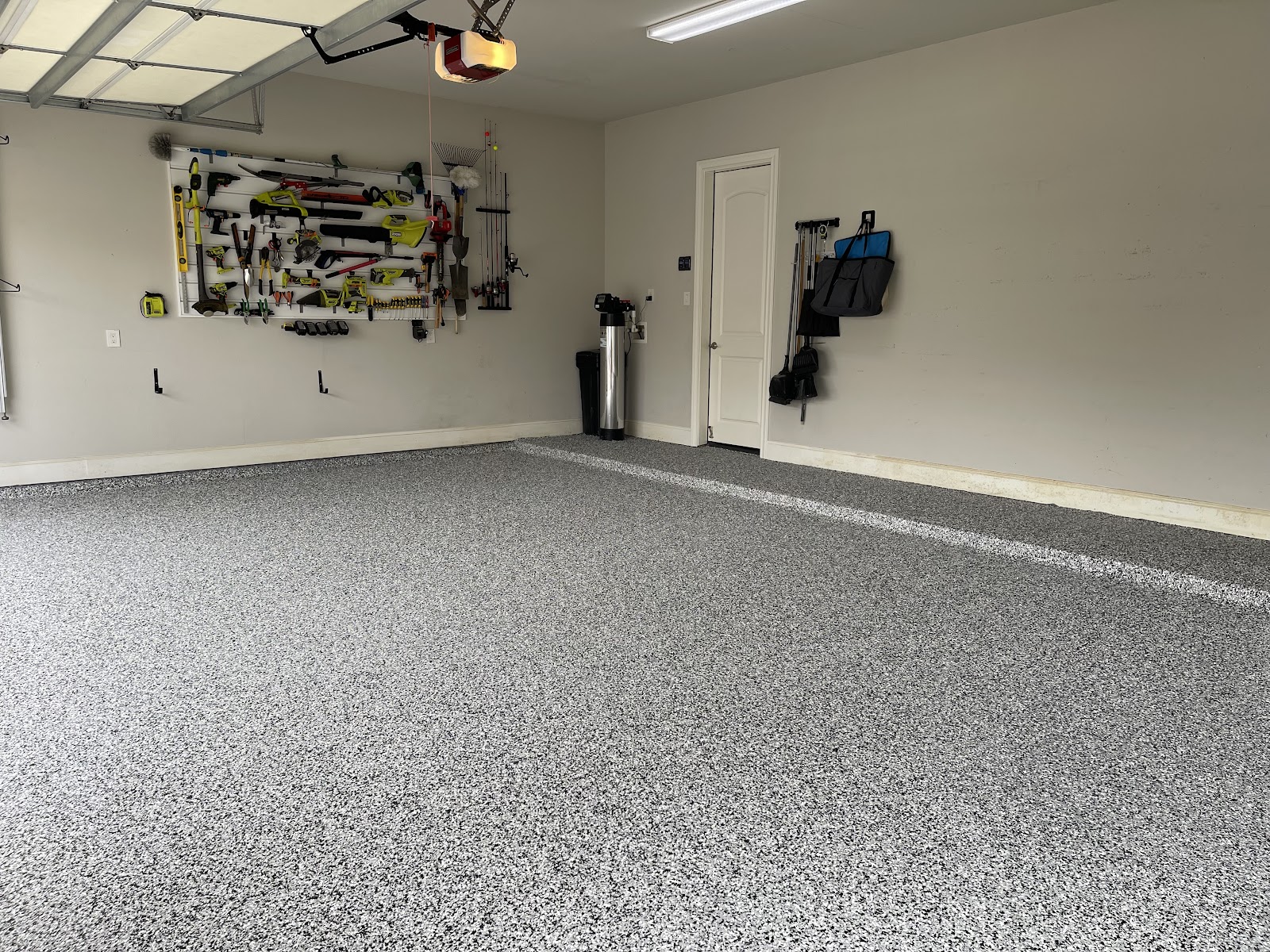
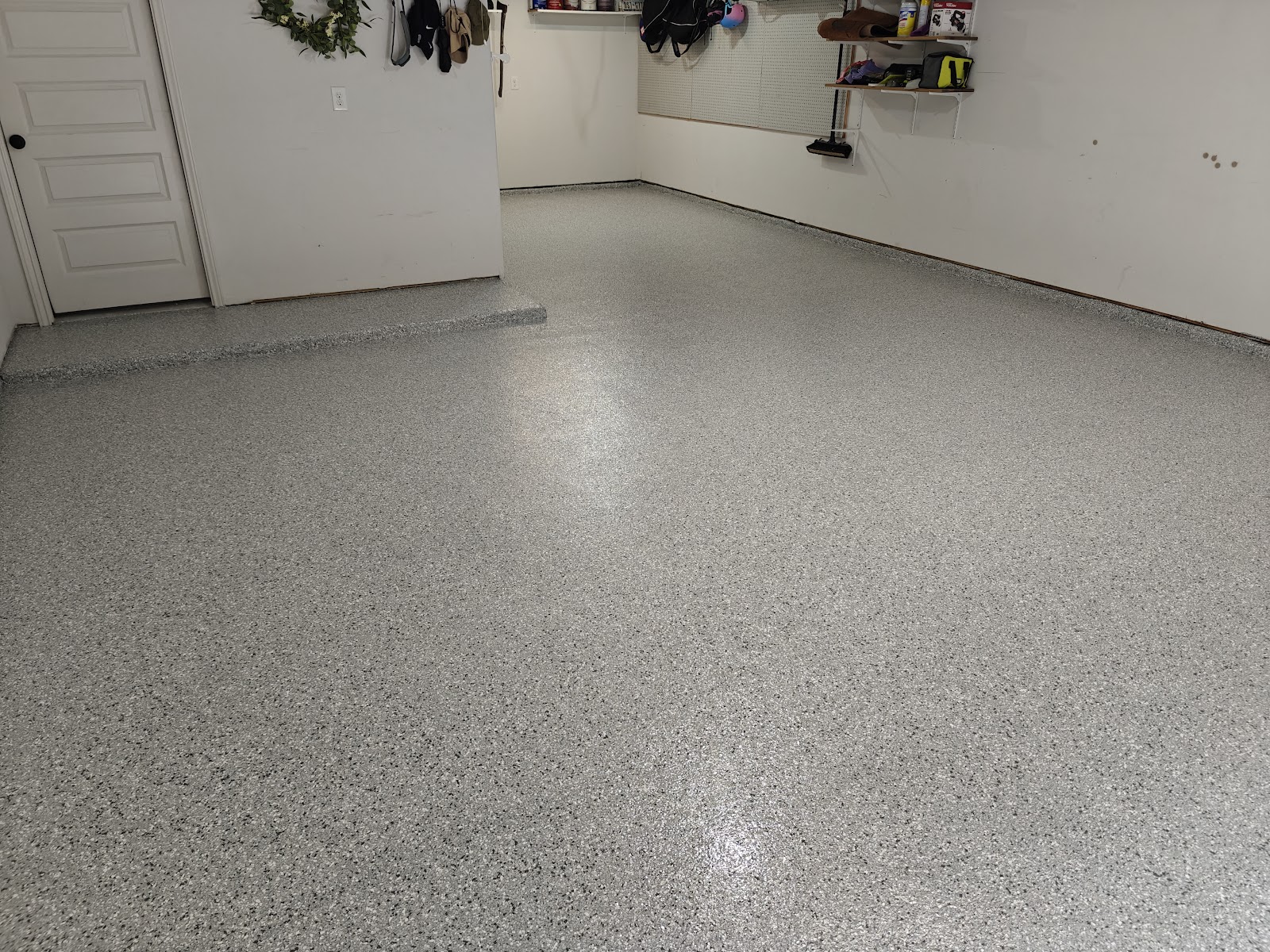
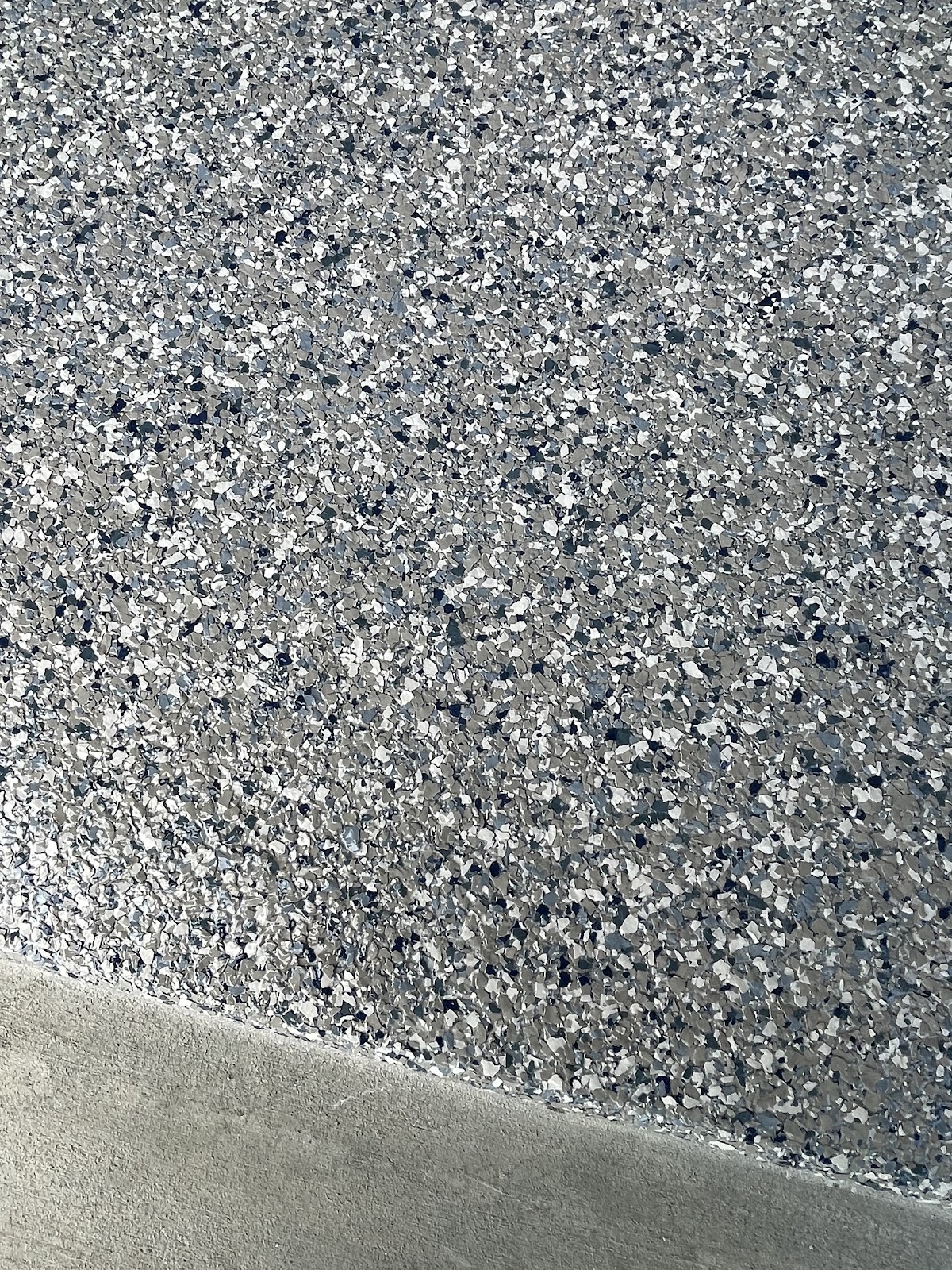
You also want epoxy if you need a specific look. Sealer is basically invisible. Epoxy comes in colors, can be flaked or metallic, and gives you a finished appearance. Many people in Conroe choose epoxy because they want their garage to look like a real room, not just a concrete pad. That aesthetic upgrade is something sealer simply cannot deliver.
Your Concrete Has to Be Right for Either Option
Before you decide between sealer and epoxy, you need to know what you're working with. Old concrete that's cracked, spalling, or actively leaking moisture is not a candidate for either product until those problems are fixed. Sealer won't stop a leak. Epoxy won't stick to a wet surface. If your concrete is in rough shape, you might need grinding, repair, or other prep work before anything goes on top.
Concrete that's relatively new, less than a year old, needs to cure fully before sealing or coating. Moisture is still leaving the slab, and both products can trap that moisture inside and cause failure. If you have a new garage and you're thinking about coating it soon, wait. Sealer or epoxy applied too early is money wasted.
Moisture Testing Tells You What's Actually Happening
The most common reason coatings fail in Conroe is moisture. Our humidity and seasonal rain mean moisture is always trying to get into concrete. Before you commit to sealer or epoxy, a moisture test will tell you if your slab is too wet for either product. This is not something to skip.
If the test shows high moisture, you might need a moisture-blocking primer under epoxy, or you might find out that sealing isn't going to work at all until you address drainage or ventilation. Spending fifty bucks on a moisture test saves you from spending thousands on a coating that fails in six months.
Cost Difference Matters, But Don't Let It Be the Only Factor
Sealer costs roughly half what epoxy costs per square foot, and installation is faster. If you have a standard two-car garage and you're mainly concerned with protection, the savings are real. But sealer typically lasts three to five years before it needs reapplication. Epoxy lasts seven to ten years or longer. Over a decade, the total cost might not be that different.
The real question is what you need the floor to do. If you need protection and you're willing to reseal every few years, sealer is the smarter buy. If you want a surface that holds up to heavy use and you want to forget about it for a decade, epoxy is worth the extra money upfront.
When to Call a Professional
You can apply sealer yourself if you're comfortable with basic prep and rolling. Epoxy is more forgiving in some ways but requires better technique and conditions to cure properly. In Conroe's heat and humidity, timing matters. If you get epoxy wrong, you'll see it. If you're not sure about your concrete's condition or moisture levels, it's worth having someone look at it before you spend the money.
Epoxy Garage Flooring, LLC can test your concrete, walk you through what sealer versus epoxy will actually do for your situation, and handle the work if you decide to move forward. Call us to talk about what makes sense for your garage.