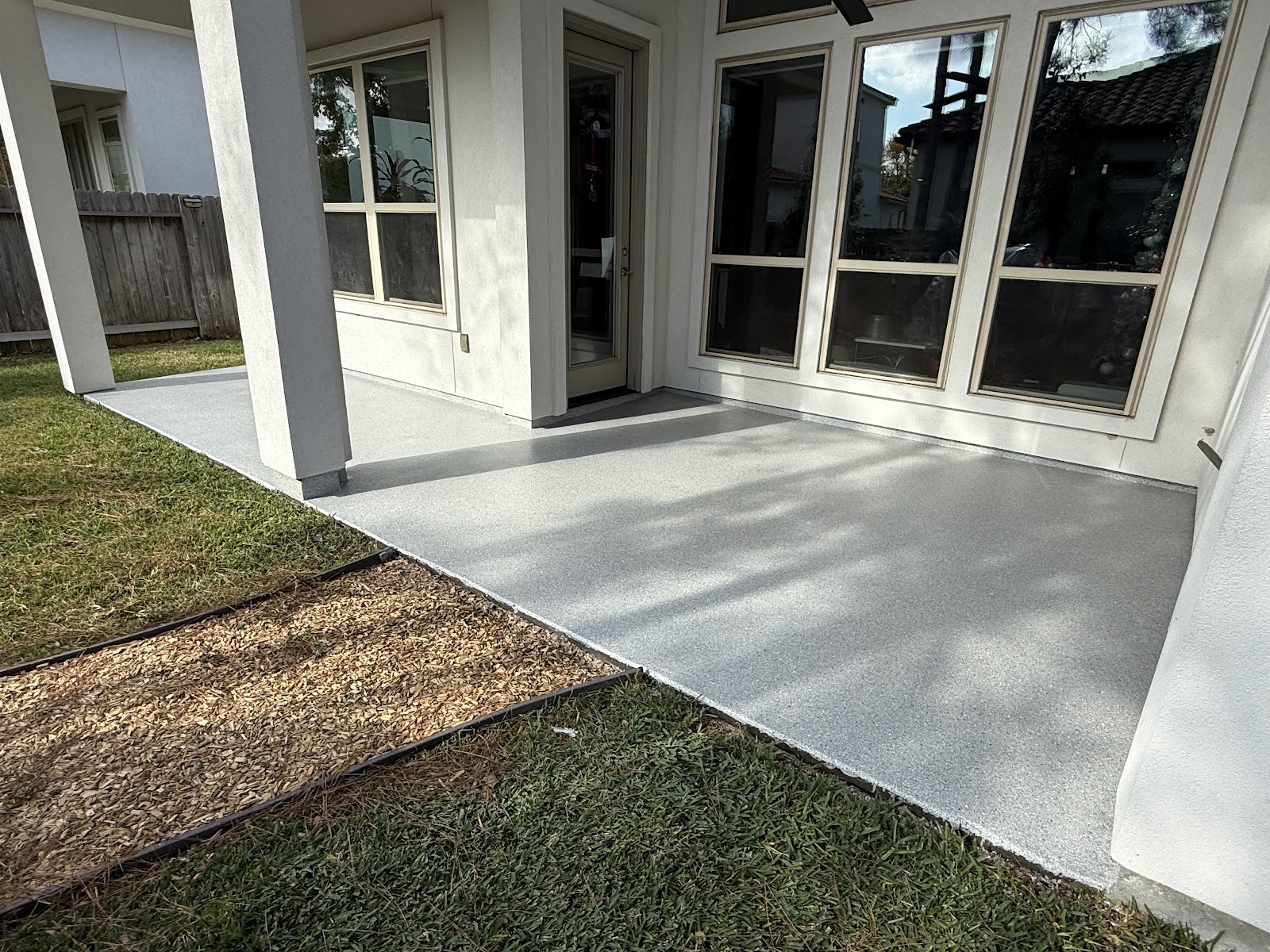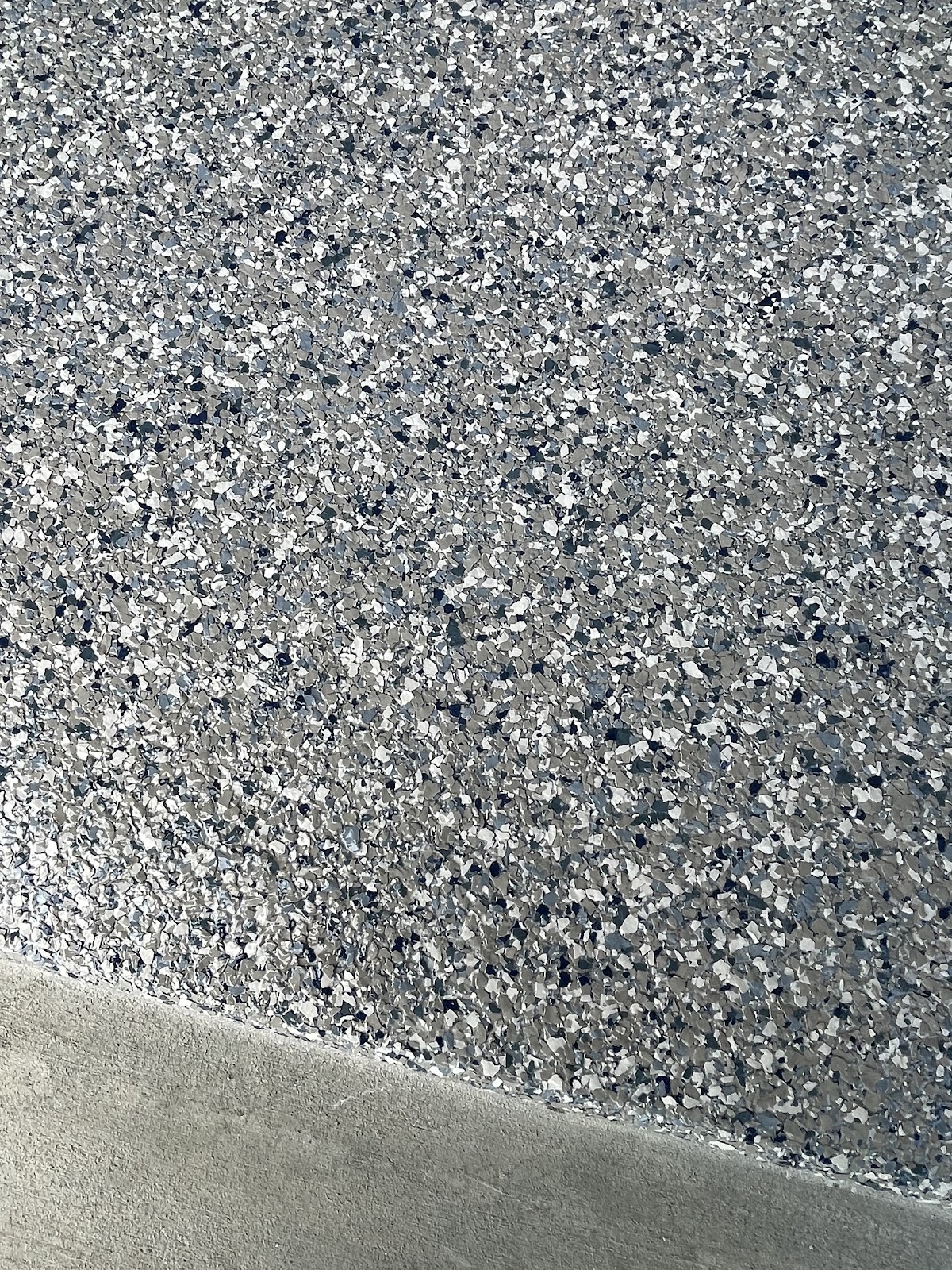
Most garage floors in Conroe have seen some wear. Cracks show up from concrete settling and temperature shifts. Oil stains come from years of parking cars and doing maintenance. A lot of people assume these problems mean they can't coat their floor with epoxy. That's not true. You can epoxy over cracks and stains, but the work has to be done right or the coating will fail in a few months.
Cracks Need Preparation, Not Avoidance
A crack in concrete doesn't automatically disqualify it from epoxy. What matters is whether the crack is still moving. If your slab is stable, a hairline crack or even a quarter-inch crack can be sealed and coated successfully. The key step is cleaning out the crack first. We use a concrete grinder or a crack-cleaning tool to remove loose material, dust, and any debris sitting inside. Once it's clean, we fill it with a concrete crack filler or a low-viscosity epoxy injection. This prevents the crack from telegraphing through your new finish.
If the crack is wider than a half-inch or if it's actively widening, that's different. Wider cracks suggest foundation movement or settling that's still happening. In those cases, we recommend addressing the structural issue before coating. Epoxy is a surface treatment, not a structural fix. A crack that keeps moving will crack the epoxy coating too.
Oil Stains Are Treatable
Oil sits on top of concrete and soaks in. If you've got a dark stain from years of drips, it won't disappear on its own. But it won't stop epoxy from bonding either, as long as you prepare the surface correctly.
We start with a degreaser. A commercial concrete degreaser breaks down the oil so it can be rinsed away. For stubborn stains, we may use a pressure washer set to a moderate PSI, around 2500 to 3000, to avoid damaging the concrete surface. The goal is to remove the oil film so the epoxy can contact clean concrete.
Stains that have been there for years sometimes leave a residue even after cleaning. In those cases, we apply a primer or a bonding agent before the epoxy. This fills the pores and ensures a strong mechanical bond. If the stain is very deep, we might recommend a lighter epoxy color that hides discoloration better than white or light gray.
Surface Preparation Is Where Most Jobs Win or Fail
The concrete itself has to be in decent shape. If the slab is spalling, meaning chunks are flaking off, those areas need to be ground smooth or filled. Spalling usually comes from freeze-thaw cycles or water damage. Texas heat doesn't cause this as much as northern climates do, but it happens in Conroe during cold snaps when moisture gets into the concrete.
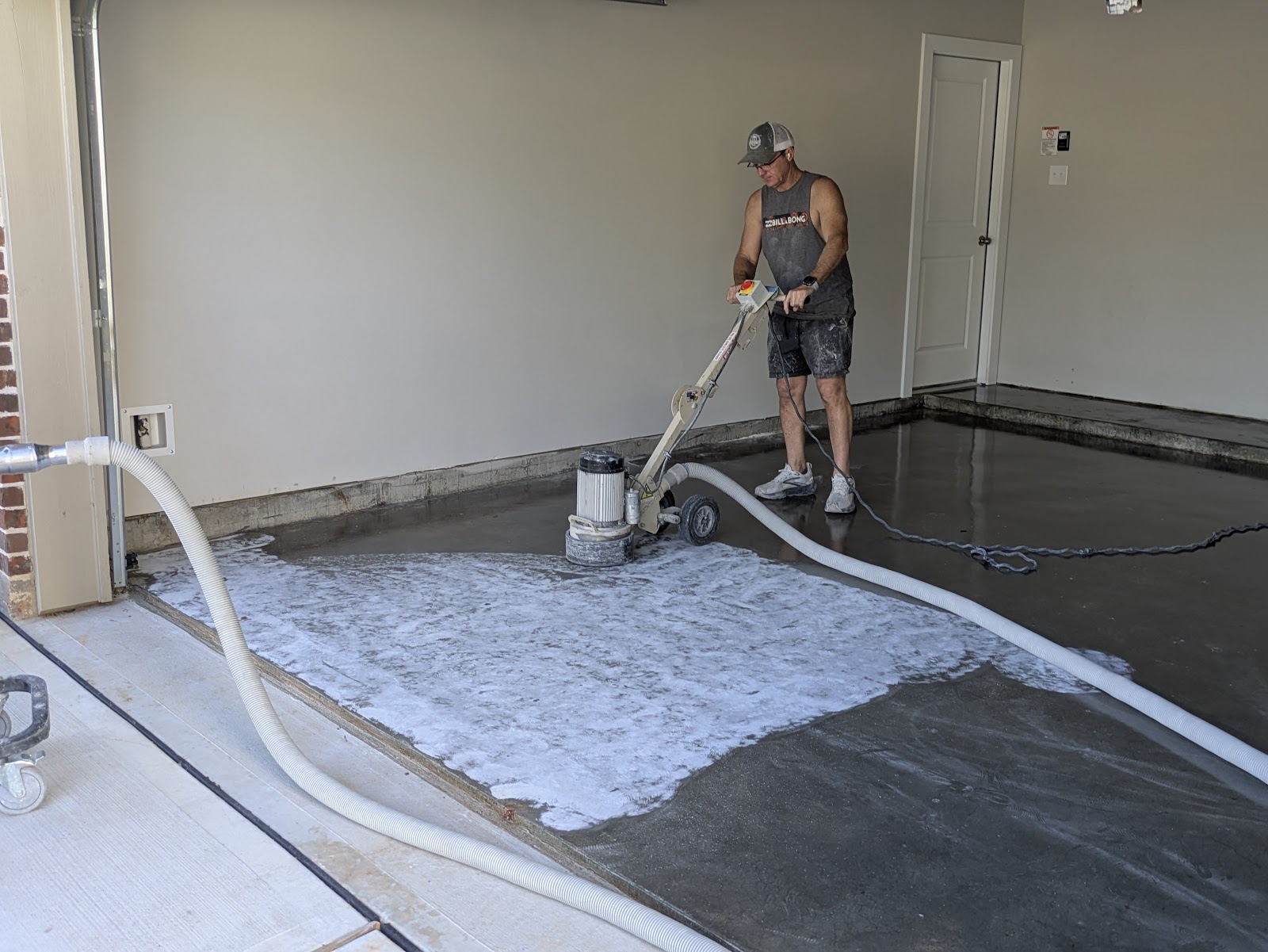
We grind the entire floor to open the pores and remove any existing sealers, waxes, or coatings. A floor that's been sealed before won't accept epoxy unless that seal is gone. We use a concrete grinder to take off the top layer. This also levels out the surface and gets rid of minor unevenness.
After grinding, we clean thoroughly. Concrete dust left behind will create a weak bond. We vacuum and then use a cleaner to remove all residue. The floor needs to be clean and dry before epoxy goes down. In Conroe's humidity, this sometimes means waiting a day or two after cleaning to let moisture evaporate.
Moisture Is the Real Enemy
Texas humidity and concrete don't always mix well. Concrete is porous. It wicks moisture from the ground, especially in areas near the foundation or in low spots where water collects. If moisture is present when epoxy is applied, it will cause the coating to peel or bubble.
We test the concrete moisture level before starting any epoxy job. A calcium chloride test or a moisture meter tells us if the slab is dry enough. Epoxy manufacturers have specific moisture limits. If the concrete is too wet, we either wait for it to dry or recommend a moisture-barrier epoxy designed to handle higher moisture levels. This costs more but prevents failure.
What to Expect After Coating
Once the floor is prepped and sealed with epoxy, it becomes much easier to maintain. Oil stains that would have soaked in before now sit on top. You can wipe them up with a rag before they set. The coating is slippery when wet, so adding a non-slip aggregate helps if you're concerned about traction.
Epoxy typically lasts five to ten years in a garage that gets regular use and good care. Avoid dragging heavy objects and clean up spills promptly. In Conroe's heat, the epoxy cures faster than in cooler climates, which is an advantage.
Cracks and stains are fixable. They require work and attention to detail, but they're not reasons to skip coating your floor. The real issue is whether the concrete underneath is stable and dry. Get those two things right, and your epoxy will hold.
Contact Epoxy Garage Flooring, LLC in Conroe to schedule a concrete assessment. We'll evaluate your floor's condition and let you know what prep work is needed before coating.