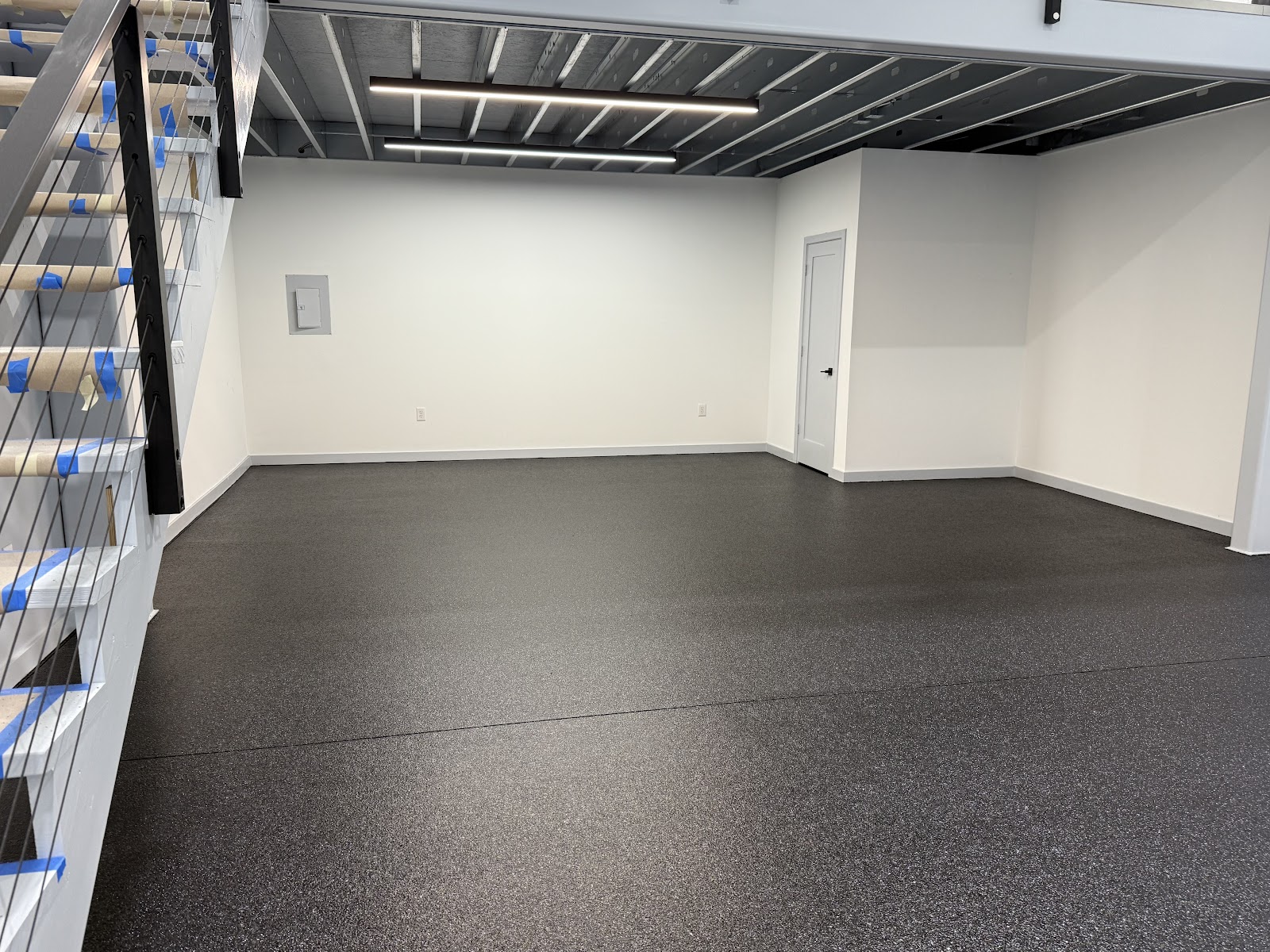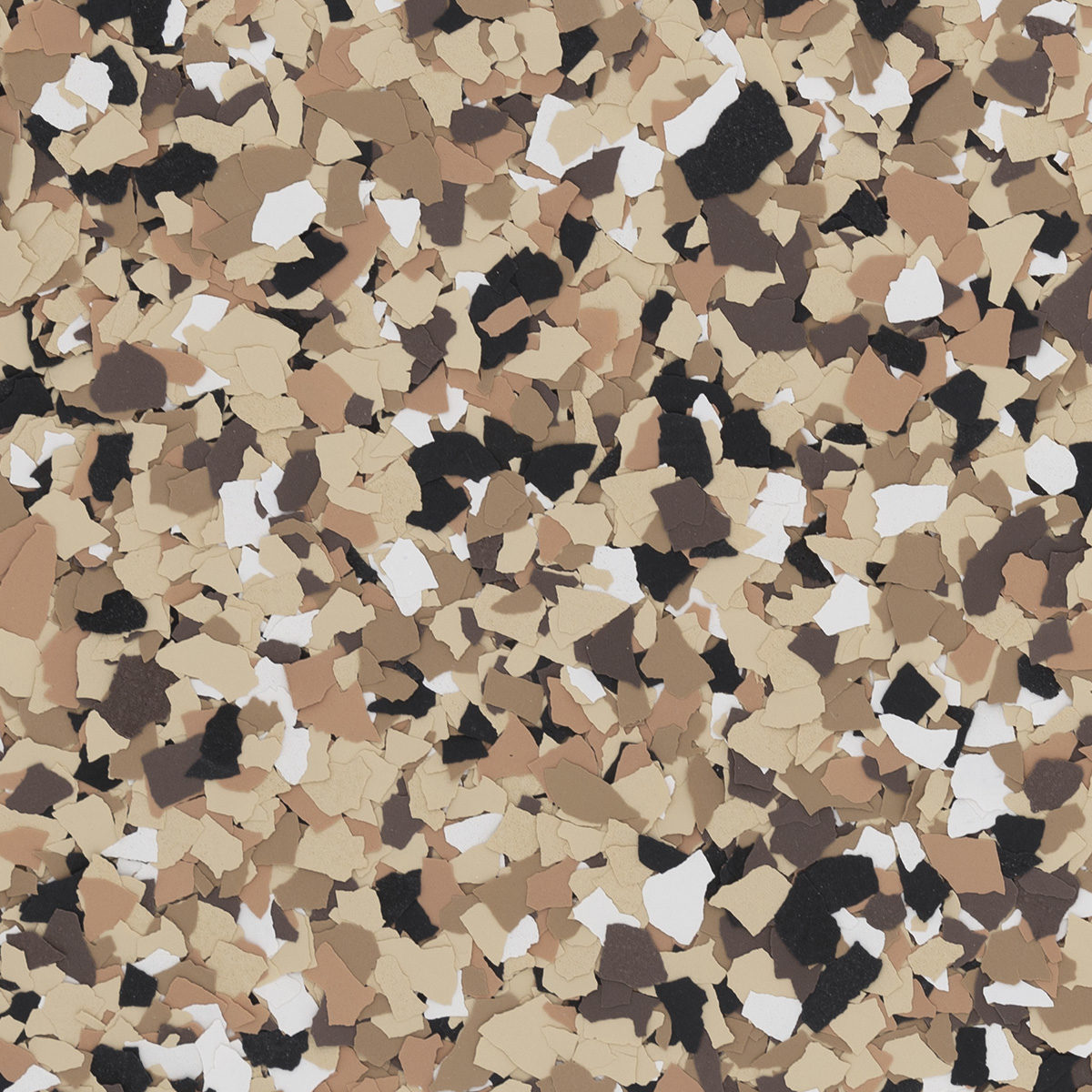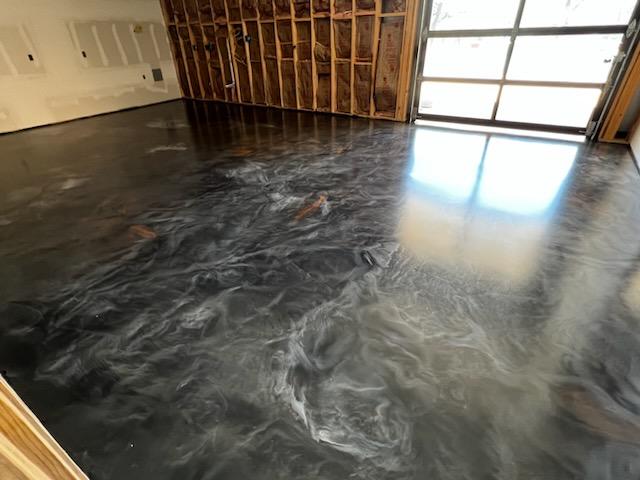
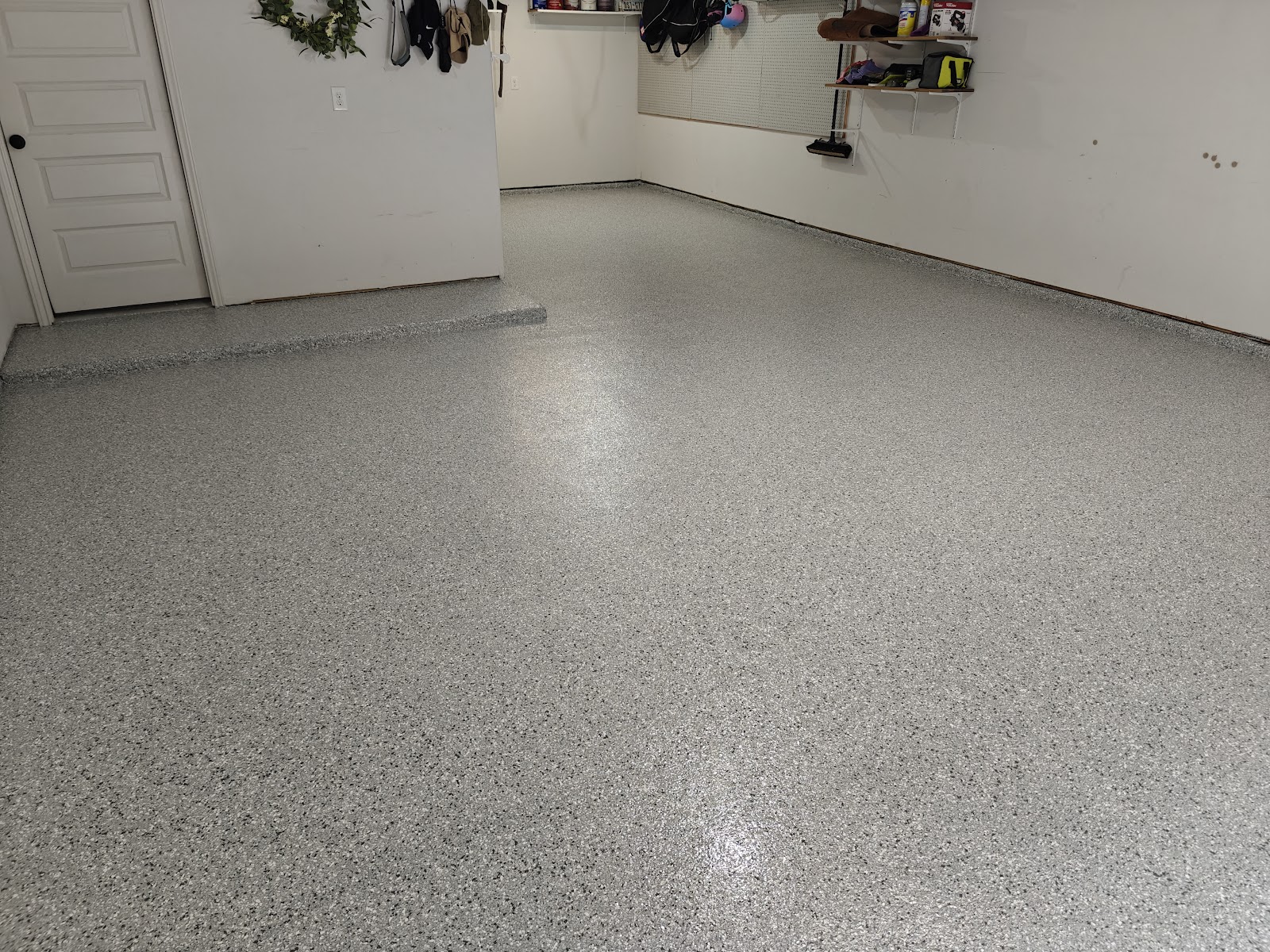
The short answer is that a well-installed epoxy floor in Conroe will last 10 to 15 years, sometimes longer if you maintain it properly. But Texas heat is a real factor that most homeowners don't think about until they're standing in their garage in July watching their coating bubble or fade. The difference between a floor that looks fresh after a decade and one that starts failing at year five comes down to material quality, installation method, and how the heat cycles affect the bond between epoxy and concrete.
Why Texas Heat Matters More Than You Think
Conroe sits in the humid subtropical zone, which means your garage floor experiences wild temperature swings. In summer, concrete can reach 140 degrees or hotter under direct sun. That expansion and contraction, day after day and year after year, puts stress on the epoxy layer. If the concrete wasn't prepped correctly or the epoxy wasn't mixed and applied at the right temperature, that stress causes failure faster. I've pulled up floors that looked fine on the surface but had separated from the concrete underneath because someone cut corners on prep work or applied epoxy when it was too hot or too cold outside. Conroe's humidity also means moisture is always trying to push up through the concrete slab. If your epoxy isn't thick enough or the primer isn't solid, that moisture will eventually create pockets that lift the coating right off.
Concrete Prep Changes Everything
Before we pour any epoxy, we grind the concrete down to bare, clean surface. This isn't optional. Existing sealers, oils, dust, and any loose material have to go. In Conroe, many garages have sat through multiple summers with moisture sitting underneath whatever coating or nothing at all. That concrete is often damp or has mineral deposits on the surface. If you skip grinding or do a half-hearted job, the epoxy won't bond properly. I've seen cheap jobs where someone just swept and maybe pressure washed, then applied epoxy directly. Those floors start peeling within two or three years. The grind takes time and creates dust, which is why some contractors skip it. We don't. Once the concrete is ground, we check moisture levels with a calcium chloride test. In Conroe's climate, moisture content matters. If the slab is too wet, epoxy won't cure right, and you'll have problems within months.
Thickness and Quality of Material
Not all epoxy is the same. Thin, budget epoxy might be 2 to 3 mils thick when cured. That's not going to hold up to Texas heat and the weight of vehicles for ten years. We use a two-part epoxy system that cures to at least 4 to 6 mils thick, with a solid primer coat underneath. Some jobs get a third layer or a polyaspartic topcoat, which adds UV protection and is tougher against heat cycling. The material costs more, but it's the difference between a floor that looks worn at year seven and one that still looks solid at year twelve. We also don't apply epoxy when it's above 85 degrees or below 50 degrees outside. In summer, we schedule work for early morning or late afternoon. In winter, we might have to wait for a warm day. That's why some jobs take longer than others. It's not rushing to finish.
Maintenance Keeps Years on Your Floor
Once the epoxy is down, a few simple habits extend its life significantly. Sweep regularly to avoid grit sitting on the surface and scratching the coating when you drive over it. Use a pH-neutral cleaner if you need to wash the floor, not acid-based products that can etch epoxy. If you spill oil, wipe it up quickly. Epoxy is resistant to oil, but letting it sit can discolor or degrade the finish over time. In Conroe, where heat is relentless, also consider your garage ventilation. A fan or open doors when you're not running air conditioning helps manage temperature swings and humidity. We've seen customers with good ventilation get longer life out of their floors because the concrete isn't experiencing the most extreme temperature stress.
When Repair or Recoating Makes Sense
Even with good maintenance, an epoxy floor in Conroe might show wear by year 8 or 10. Small cracks or areas of peeling can be repaired without stripping the whole floor. A recoat of fresh epoxy or polyaspartic can be applied to the existing surface if it's still well-bonded, which extends life another 5 to 7 years. If the floor is separating from the concrete or cracking significantly, full removal and reinstall is usually the better choice. It's not cheap, but it's cleaner than trying to patch a failing foundation.
If you're thinking about epoxy for your garage or wondering whether your current floor is going to make it through another Conroe summer, call Epoxy Garage Flooring, LLC. We'll walk you through what to expect and what your floor actually needs.